
Beginning with How Wealth Planning Services Align Financial Goals With Lifestyle, the narrative unfolds in a compelling and distinctive manner, drawing readers into a story that promises to be both engaging and uniquely memorable.
The content of the second paragraph that provides descriptive and clear information about the topic.
Understanding Wealth Planning Services
Wealth planning services encompass a range of financial strategies and solutions tailored to help individuals and families manage and grow their wealth effectively. These services often involve comprehensive analysis, goal-setting, and implementation of various financial tools to achieve long-term financial success.
Role of Wealth Planning Services in Financial Management
- Assessment of Current Financial Situation: Wealth planning services start by evaluating a client's current financial status, including assets, liabilities, income, and expenses.
- Goal Setting: Professionals in wealth planning work closely with clients to establish clear financial goals, both short-term and long-term, based on their unique circumstances and aspirations.
- Asset Allocation and Investment Management: Wealth planners help clients allocate their assets strategically and manage investments to achieve optimal growth while minimizing risks.
- Estate Planning: Wealth planning services often include estate planning to ensure the smooth transfer of assets to future generations with minimal tax implications.
Importance of Aligning Financial Goals with Lifestyle in Wealth Planning
Aligning financial goals with lifestyle is crucial in wealth planning as it ensures that the financial strategies implemented are in line with an individual's values, priorities, and aspirations. When financial goals align with lifestyle choices, individuals are more likely to stay committed to their long-term financial plans and make informed decisions that support their desired way of living.
Financial Goal Setting
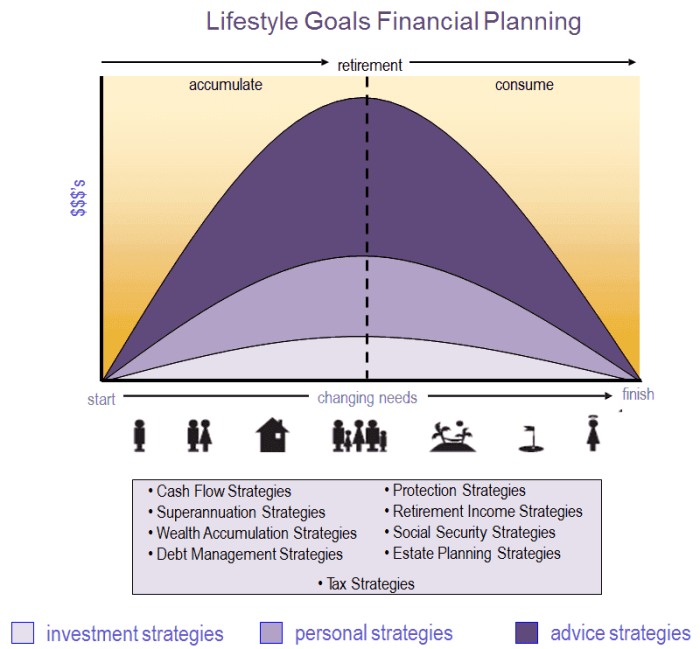
Setting financial goals is an essential part of wealth planning as it helps individuals map out their financial journey and work towards achieving their desired lifestyle. By setting specific, measurable, achievable, relevant, and time-bound (SMART) goals, individuals can align their financial objectives with their overall lifestyle aspirations.
Short-Term and Long-Term Financial Goals
- Short-Term Financial Goals:
- Building an emergency fund to cover unexpected expenses within the next 6 months.
- Pay off credit card debt within the next year.
- Save for a vacation in the next 12 months.
- Long-Term Financial Goals:
- Retire comfortably by the age of 65 with a set retirement fund.
- Buy a home within the next 5 years.
- Invest in children's education funds for their college tuition.
Setting both short-term and long-term financial goals allows individuals to balance their current financial needs with future aspirations, ensuring a holistic approach to wealth planning.
Lifestyle Assessment
Conducting a lifestyle assessment is a crucial step in wealth planning as it helps financial advisors understand a client's unique needs, priorities, and spending habits. By assessing an individual's lifestyle, advisors can tailor financial strategies to align with their specific goals and aspirations.
Factors to Consider During a Lifestyle Assessment
- Income Sources: Evaluate the different sources of income, such as salary, investments, or business profits, to determine stability and growth potential.
- Spending Habits: Analyze spending patterns to identify areas where adjustments can be made to achieve financial goals more efficiently.
- Debt Levels: Take into account existing debts, such as loans or mortgages, to create a plan for debt management and repayment.
- Family Dynamics: Consider family size, dependents, and future obligations that may impact financial decisions and planning.
How Lifestyle Choices Impact Financial Goals and Wealth Planning Strategies
Our lifestyle choices play a significant role in shaping our financial goals and wealth planning strategies. For example, a desire to travel frequently may require saving more or investing in experiences, while a focus on early retirement might call for aggressive saving and investment strategies.
By understanding how lifestyle choices impact financial goals, individuals can make informed decisions that support their long-term financial well-being.
Customized Wealth Planning Strategies
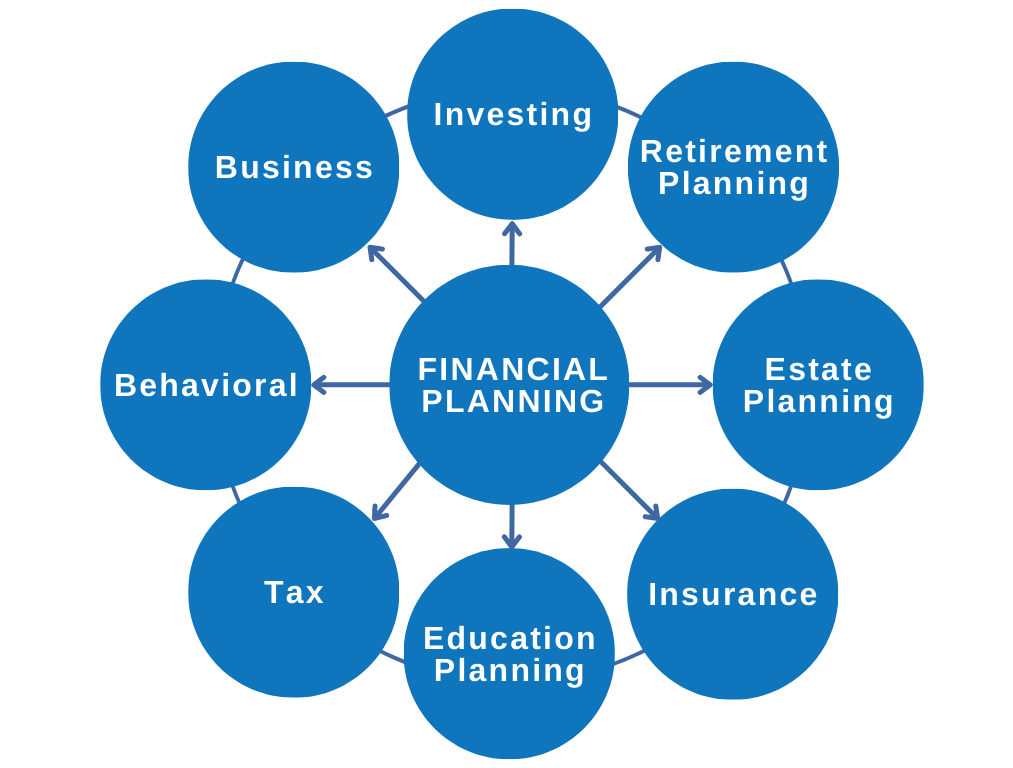
When it comes to wealth planning, one size does not fit all. Customized wealth planning strategies take into account individual financial goals and lifestyle preferences to create a comprehensive financial roadmap.
Exploring Different Wealth Planning Strategies
- Strategic Asset Allocation: This strategy involves diversifying investments across various asset classes to manage risk and optimize returns.
- Tax Planning: By strategically managing taxes through deductions, credits, and deferrals, individuals can maximize their wealth accumulation.
- Estate Planning: Planning for the transfer of wealth to future generations or charitable causes ensures that assets are distributed according to one's wishes.
The Role of Investment Diversification
- Diversification is key to spreading risk across a range of investments to minimize potential losses.
- By investing in different asset classes such as stocks, bonds, real estate, and commodities, individuals can reduce volatility in their portfolios.
Influence of Risk Tolerance on Wealth Planning
- Understanding risk tolerance helps in designing investment strategies that align with an individual's comfort level with market fluctuations.
- Conservative investors may opt for low-risk investments such as bonds, while aggressive investors may choose high-risk, high-reward options like stocks.
Monitoring and Adjusting Financial Plans
Regularly monitoring financial plans is crucial to ensure that they remain aligned with your goals and lifestyle. By keeping track of your financial progress, you can identify any deviations from the original plan and make necessary adjustments to stay on course.Indicators that may signal the need to adjust wealth planning strategies include changes in income, expenses, investment performance, and life events such as marriage, having children, or retirement.
These changes can impact your financial goals and may require modifications to your wealth planning approach.Lifestyle changes can also have a significant impact on financial goals and the need for plan adjustments. For example, if you decide to start a business, travel more frequently, or purchase a new home, your financial priorities and strategies may need to be revised to accommodate these lifestyle changes.
It is essential to regularly review your financial plans and make adjustments as needed to ensure that they continue to support your current and future objectives.
Concluding Remarks
The content of the concluding paragraph that provides a summary and last thoughts in an engaging manner.
User Queries
How do wealth planning services help align financial goals with lifestyle?
Wealth planning services assist individuals in creating strategies that ensure their financial goals are in sync with their lifestyle choices.
Why is it important to conduct a lifestyle assessment in wealth planning?
Conducting a lifestyle assessment helps in understanding how personal choices impact financial goals, leading to more tailored wealth planning strategies.
How can lifestyle changes affect financial plans and the need for adjustments?
Lifestyle changes can alter financial goals, requiring adjustments in wealth planning strategies to maintain alignment with the individual's new circumstances.